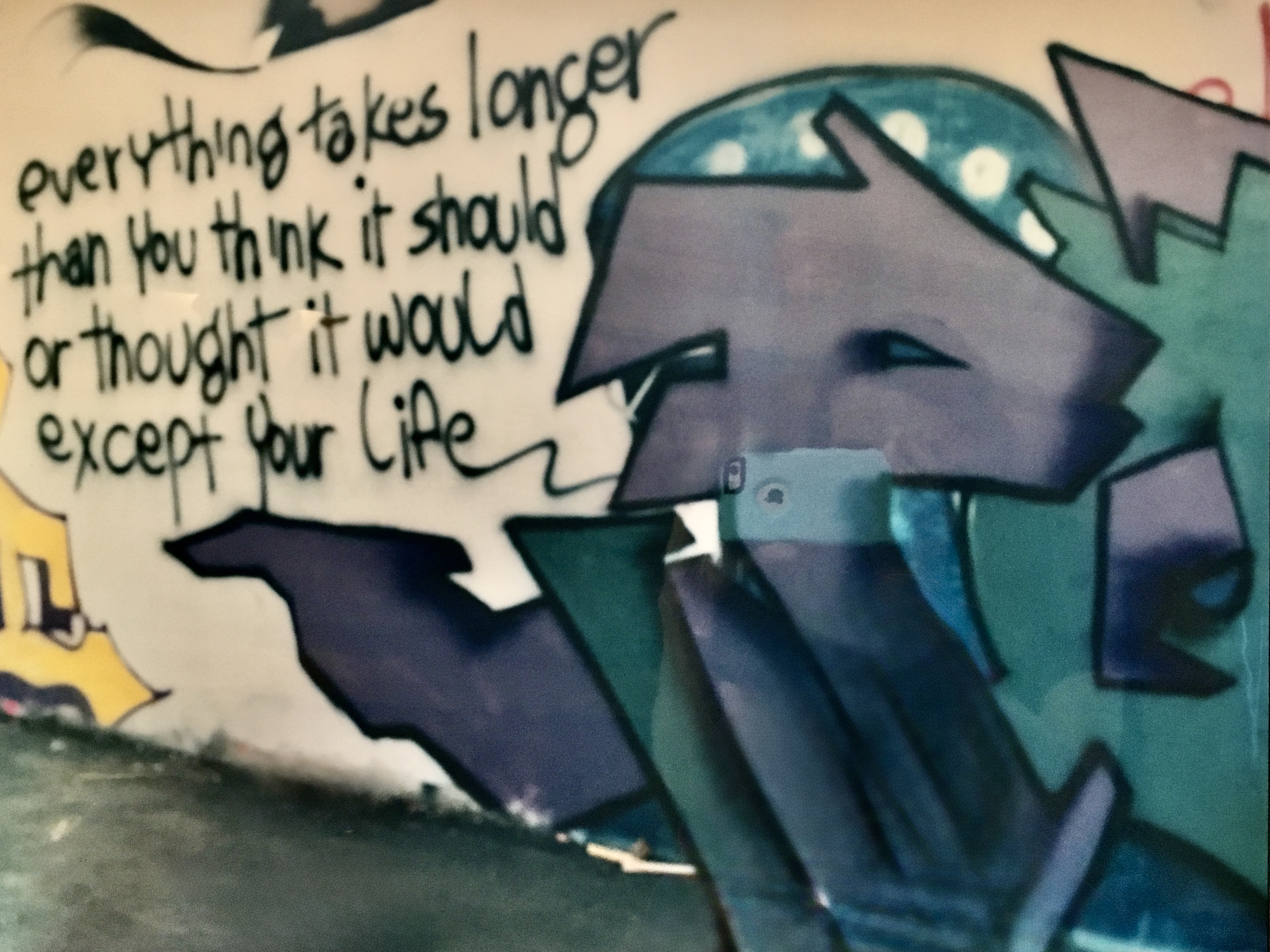
Living on the Streets

Poem & photos by Elizabeth
LIVING ON THE STREETS

I never chose to be here
Amid concrete and cheap booze—
I’d sooner die but bodies carry on for years.

I hear the wailing ricochet of children
Held within this hell of rolling veins.
No, they never, never chose to be here.

Limbs stiffened from cold sidewalks trap me 
As pustules grow and lice feed on my skin—
I’d sooner die but bodies carry on for years.

Violence is not televised on streets; instead, it jeers at battered
Skulls and broken bones—we’re easy prey for kids.
No, I never chose to be here.

Whiskey holds back cold and memories that leer of oboe played
Amidst the smoke, thighs wrapping mine through dawn.	
Now, I’d sooner die but bodies carry on for years.

With deafened ears and eyes averted, you comment on 
My stench as you dart into the restaurant;
I never chose to be here—
I’d sooner die but bodies carry on for years. 
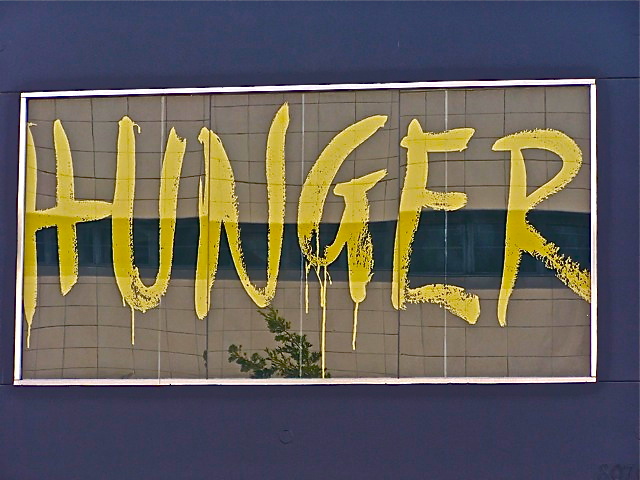
Thank you to the editors of Mediphors: A Literary Journal of the Health Professions for first publishing this poem.

Surprised

poem, art, photo by Elizabeth

WHAT SURPRISED ME MOST…

beneath surgery-bright restaurant lights was the unspoken 
collusion of employees and patrons to ignore the bone-defined 
man as he tapped thin-paned glass to beg for food.

He shoved skeletal hands toward his gaping mouth as if to fill the gnawing 
we could not imagine while digesting pasta and merlot rather than 
our muscles to survive as this man’s body had, his hollowed face 
pled as he mimed across the chasm of language, culture, class. 

After the waiter returned our leftovers, snug in Styrofoam, 
I took them across the restaurant, my legs heavy beneath 
reproach’s hypnotic weight from those unwilling to squander 
etiquette’s rules that insure our warmth while others freeze.

Through my breath outside, I saw him accept a dollar from two 
spike-heeled women as they scuttled from a bar across the street,
yet money’s a tool for future trade, no immediate relief for a churning gut. 

Drunk with hunger, he wavered in the crosswalk till a horn startled him
to the curb. Waving, I caught his eye, offered the bright box. Our eyes 
locked yet he wouldn’t move, suspended in a code more compelling than 
starvation, a code older than the south and dangerous as asphyxiation. 

Cloaked in privilege, I left our paltry leftovers on the bus stop bench 
and returned to the interior’s glare, each of us visible through glass walls. 
He sprinted across the street, gulped what would have been tomorrow’s lunch, threw away the box, and returned to the window beside us. 

He smiled, waved, tried to thank me, but I saw him only peripherally, 
embarrassed to accept gratitude for so little before he walked away.

Thank you to the editors of decomp magazine who first published this poem.