                     The most common way
                              people give up their power is
              by thinking they don't have
                                        any.


                                                    ~ Alice Walker
Poems, Prose, Photos & the Art of Being Human
The most common way
people give up their power is
by thinking they don't have
any.
~ Alice Walker

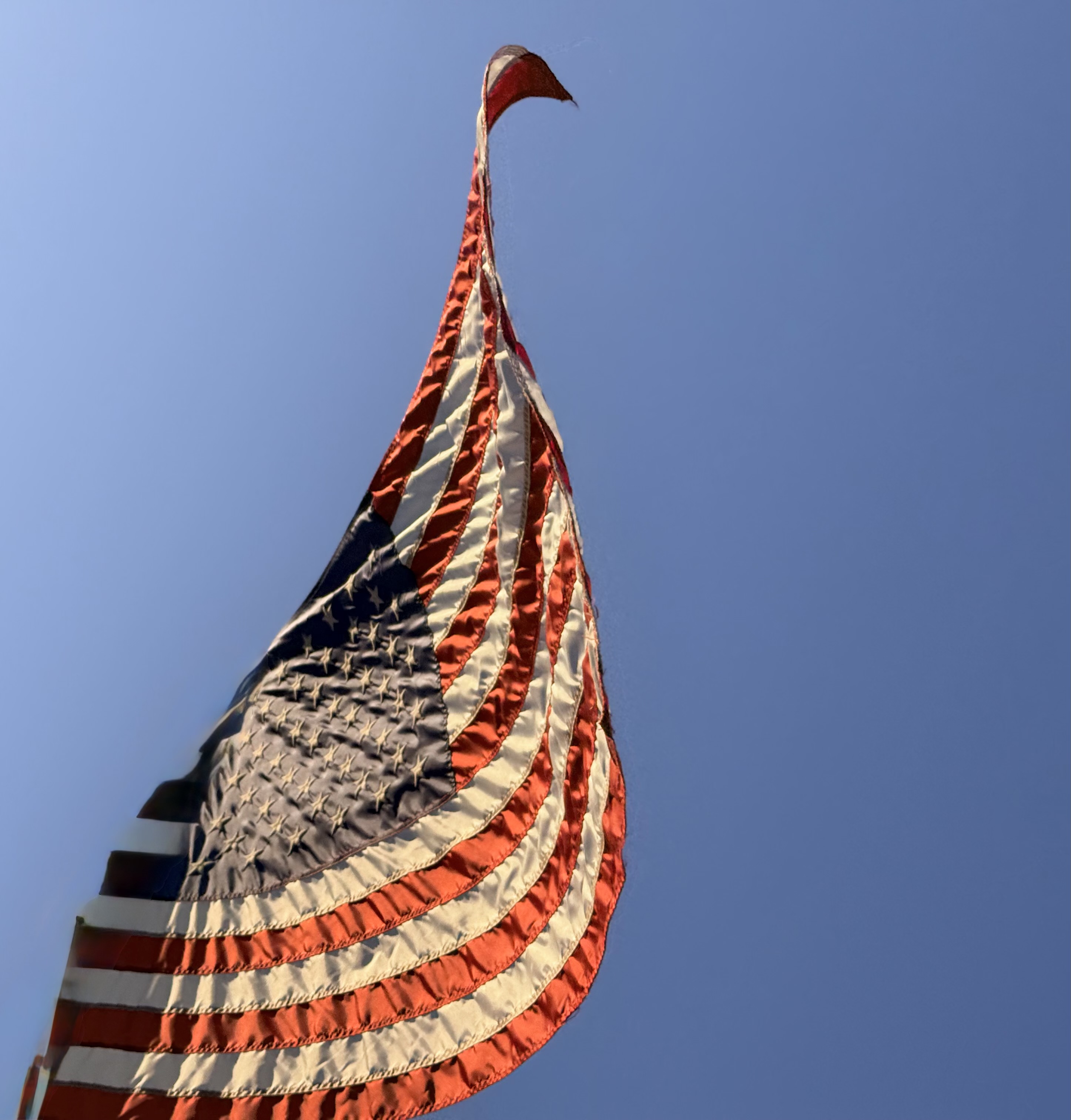
If I'd seen this image elsewhere, I'd have assumed Halloween was trampled by Christmas prancing in. Though would also wonder, what happened to Thanksgiving?

I'd have assumed this was shot no later than the final quarter of Julius' 2025.

Wrong
Wrong
Everything Wrong Tra-La-La La-La...

I took this photo the first week of September, 2026, amused by Death's skeleton framed by a gold-dotted red bow,  Frosty smiling all the way, and most closely framed in Jesus' Holy Star.

Like the whole world,
and everything everywhere all at once
these holes somehow holding it all together
holes through fabric, space between bones, time's illusion shredded, our multi-parallel holidays throughout the centuries,
whole days,
holy days,
wholly holy days

So many living parallels in this image
I gift you the game of Name Your Own
and hope gratitude is giggling in the shadows
rather than vaporized by the rise of everything but
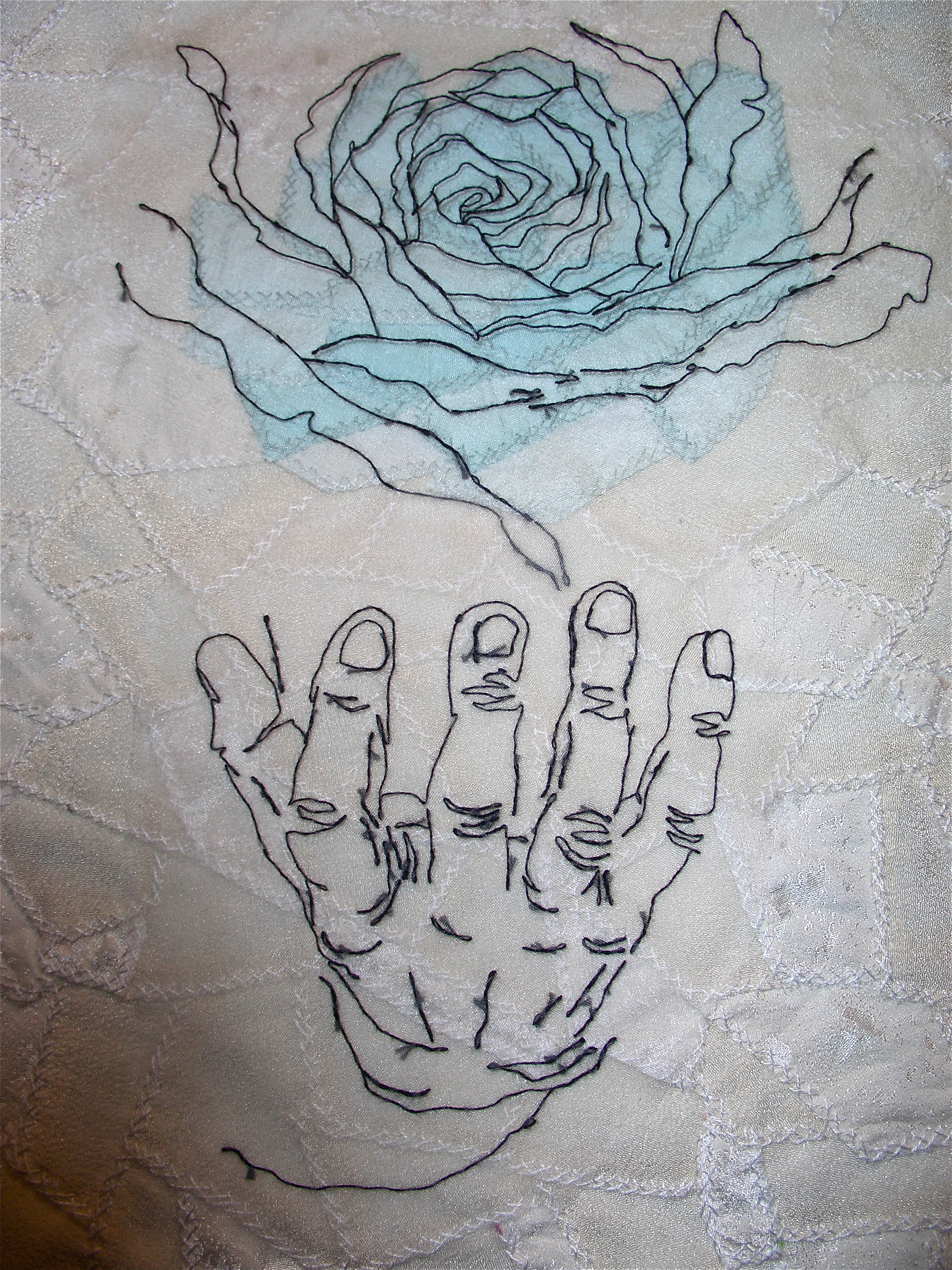
At twenty-five, Sumi Foley saved her grandma’s silk kimonos from the trash after her grandma had tired of them, which inspired Sumi’s “For My Love” series.
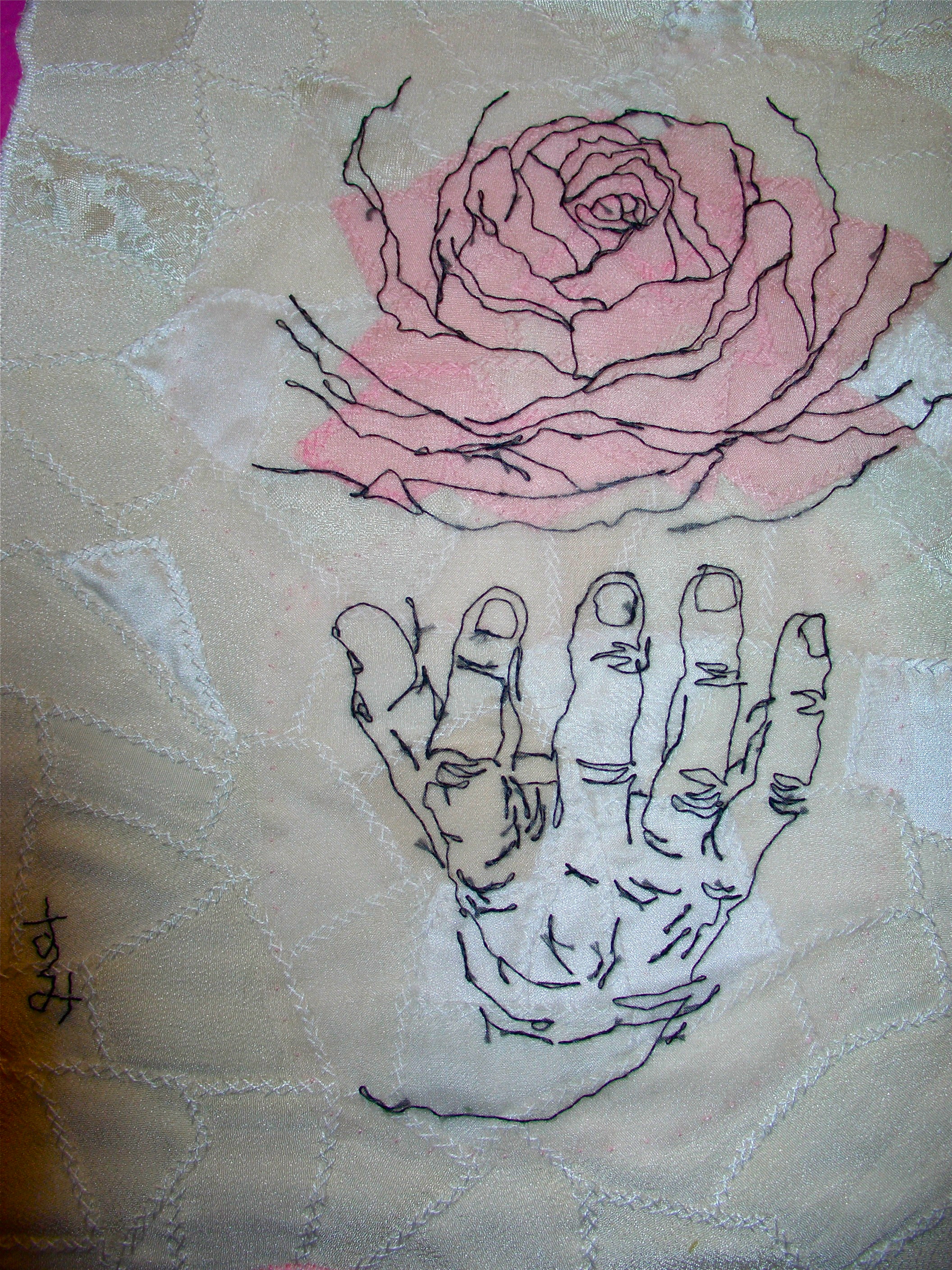
Sumi deconstructed the kimonos and added silk organza to hand-stitch a patchwork that she then embroidered with unsketched roses and hands.
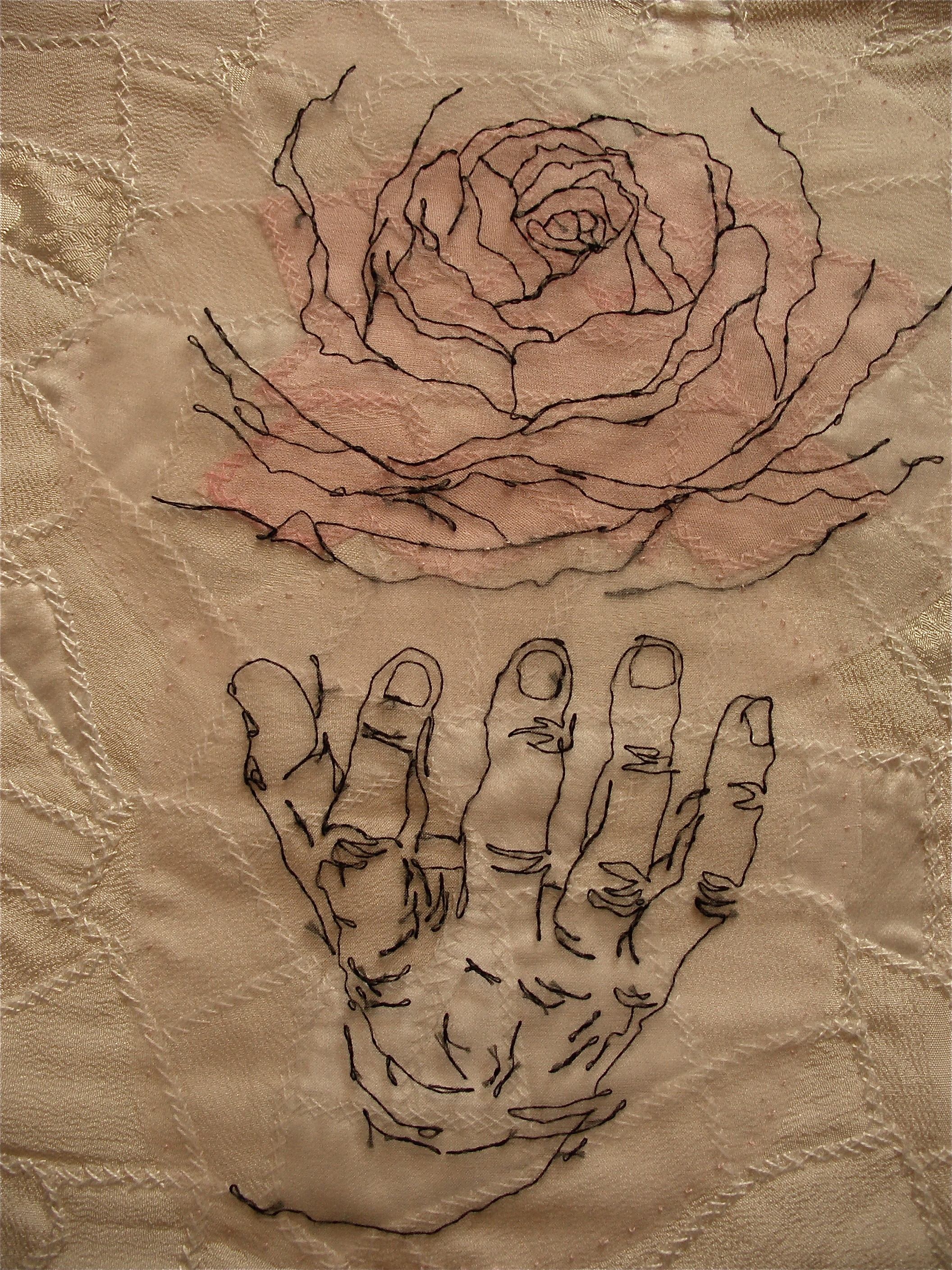
Here’s an interview with Sumi and George Cuttress at Pomona’s Main Street Gallery about this series.
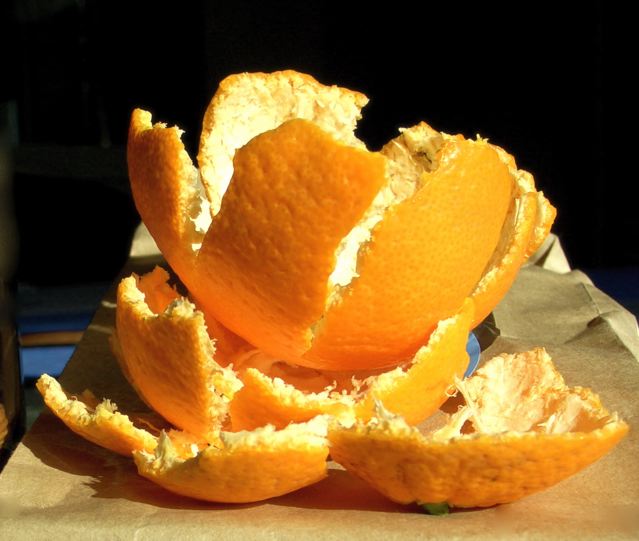
SATSUMA

Crescents of tangerine cool nipples
that purse like lips as
O of navel grips its slice &
taut shiny glans raises its
section to the sun, hot through
blue-green leaves of eucalyptus;

tongue slides between citrus & skin
belly arcs smooth,

teeth release juice bursting
through this moist cavern,
tongue, lapping in slow pulses,
swallows, wet open flames.
Thank you to the editors of HOT FLASHES:
sexy little stories and poems for publishing
this poem.
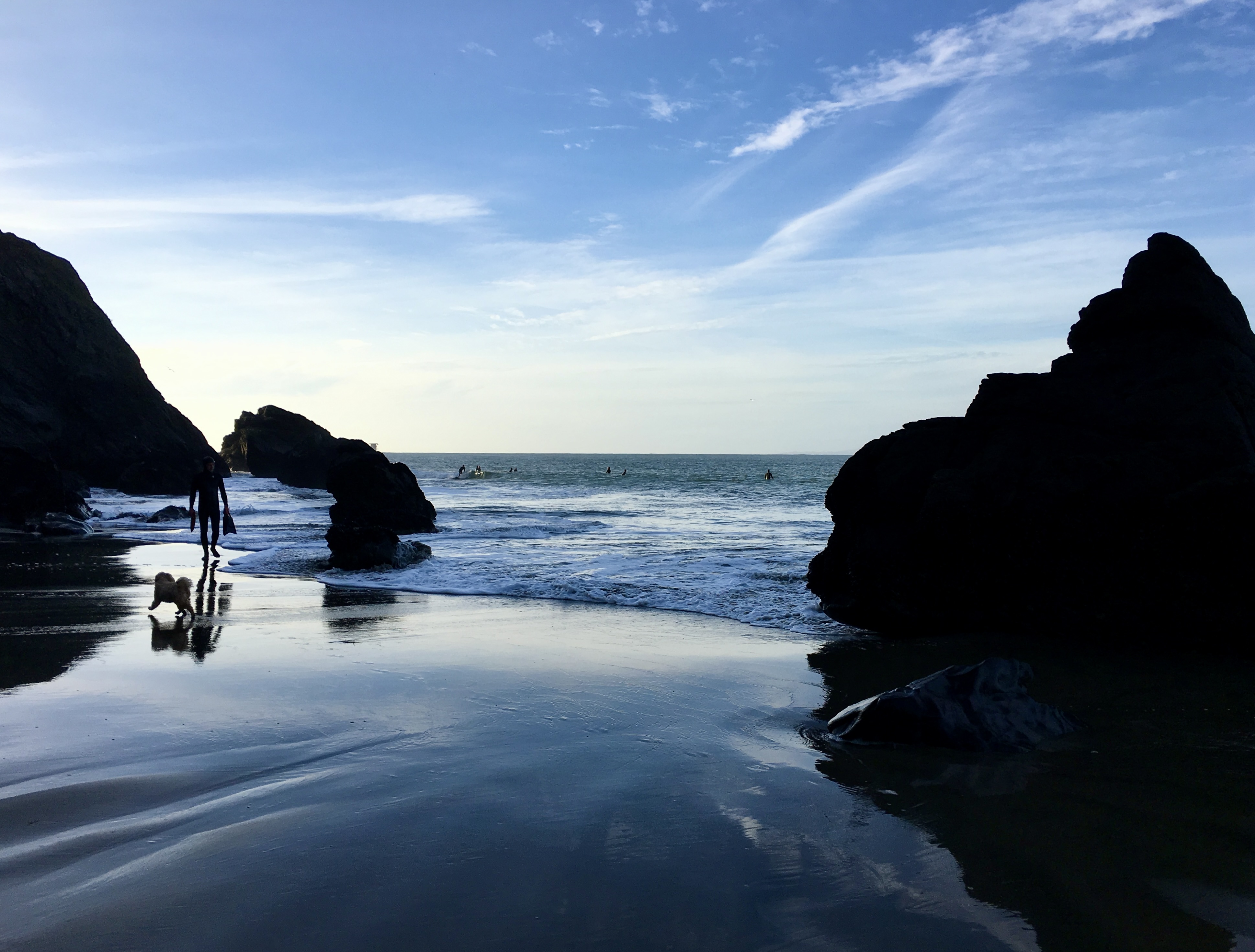
There are two ways to live your life.
One is as though nothing is a miracle.
The other is as if everything is a miracle.

                   ~Albert Einstein

I once showed a party of Sioux chiefs the sights of Washington, and endeavored to impress them with the wonderful achievements of civilization.

After visiting the Capitol and other famous buildings, we passed through the Corcoran Art Gallery, where I tried to explain how the white man valued this or that painting as a work of genius and a masterpiece of art.

“Ah!” exclaimed an old man, “such is the strange philosophy of the white man! He hews down the forest that has stood for centuries in its pride and grandeur, tears up the bosom of Mother Earth, and causes the silvery watercourses to waste and vanish away. He ruthlessly disfigures God's own pictures and monuments, and then daubs a flat surface with many colors, and praises his work as a masterpiece!”

       ~Ohiyesa (Charles Alexander Eastman) 'The Soul of an Indian'

Friendship is a strong and habitual inclination
in two persons to promote
the good and happiness in one another.

                                              ~Eustace Budgell
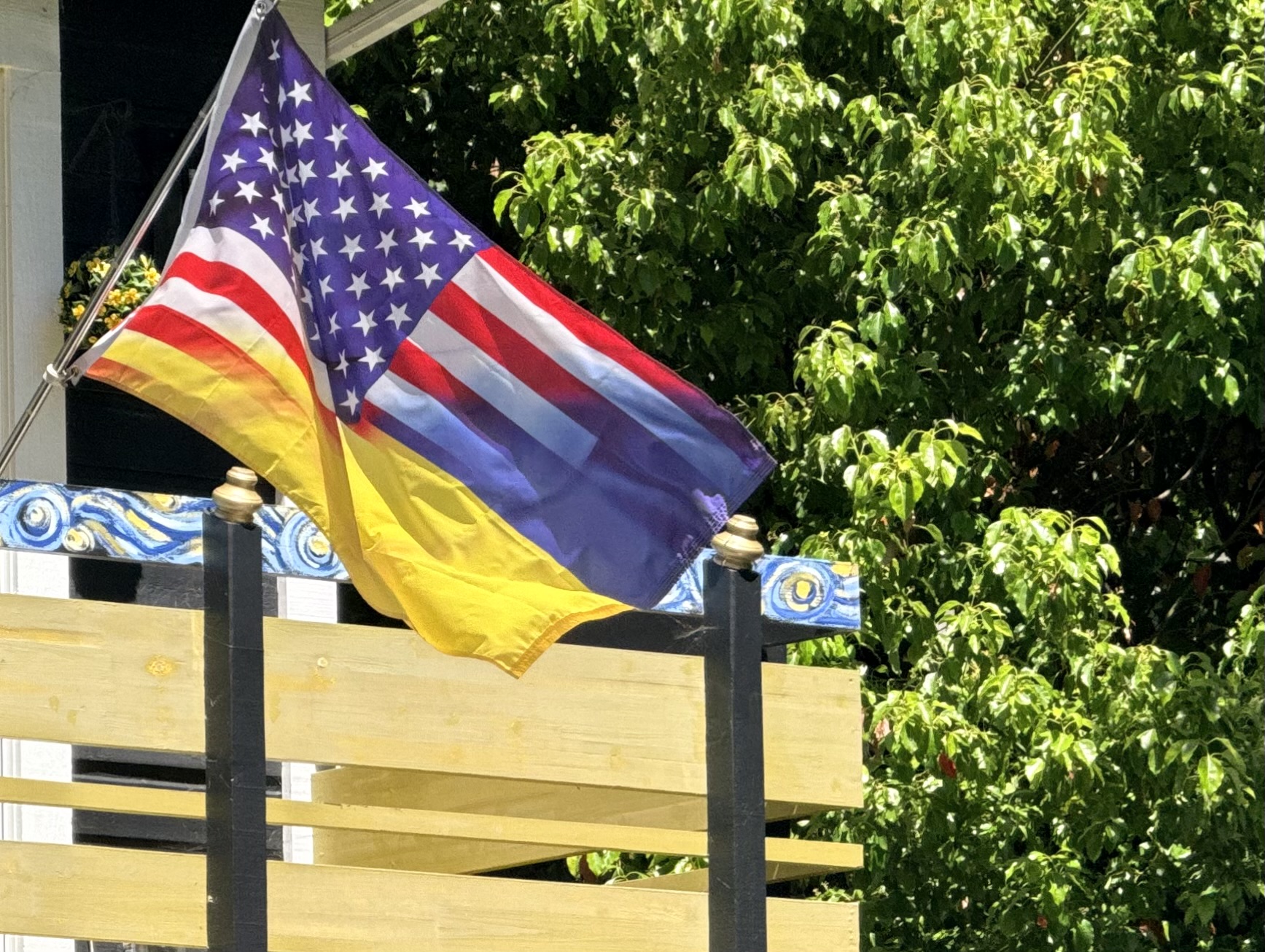
The opposite of poverty isn't wealth; it's justice.

                             ~Bryan Stevenson
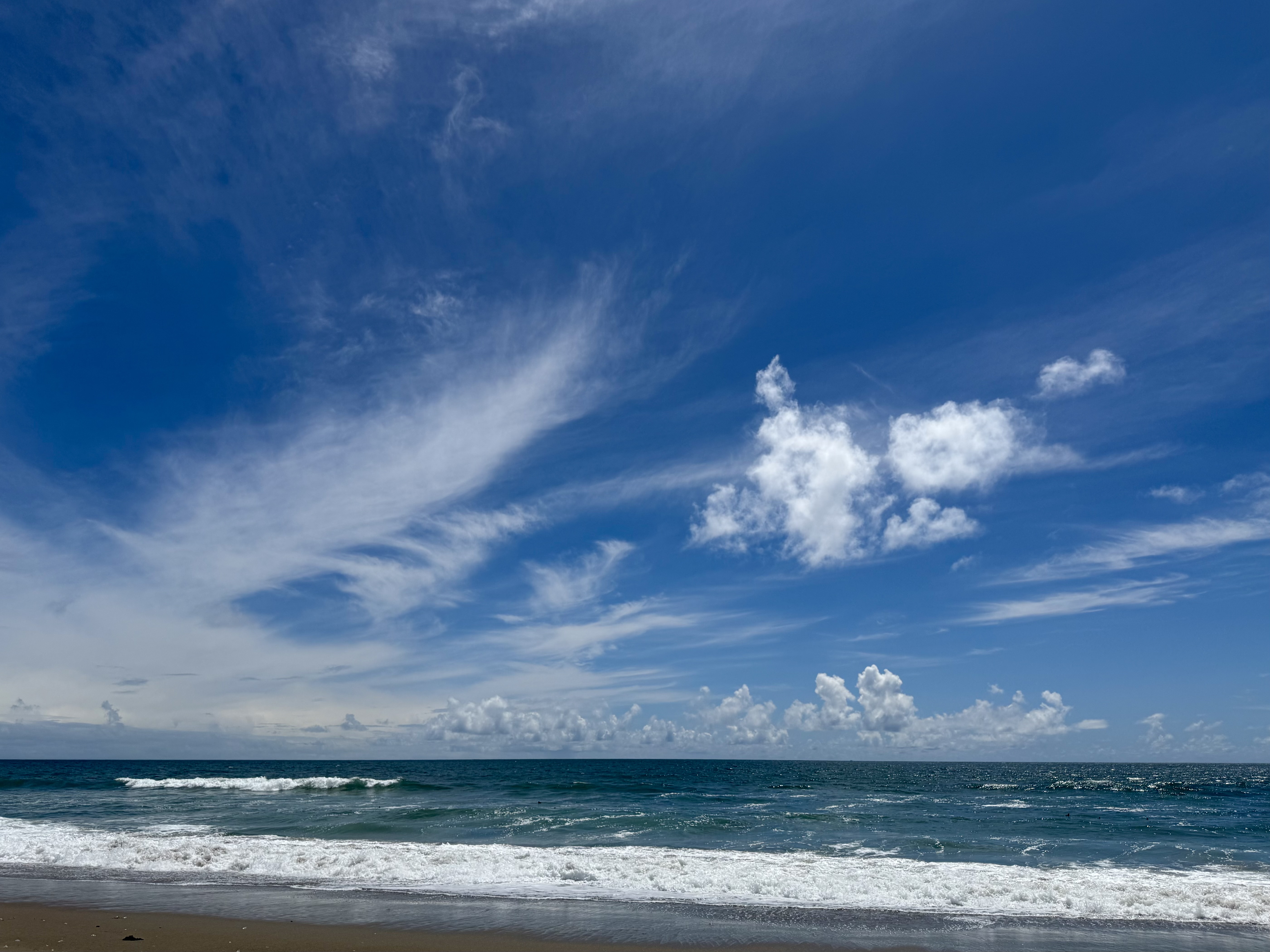
In these past years, hurts, disappointments, confusion, resistance, loss, e.e. cummings‘ poem says it best:
let it go – the
smashed word broken
open vow or
the oath cracked length
wise – let it go it
was sworn to
go
let them go – the
truthful liars and
the false fair friends
and the boths and
neithers – you must let them go
they were born
to go
let all go – the
big small middling
tall bigger really
the biggest and all
things – let all go
dear
so comes love
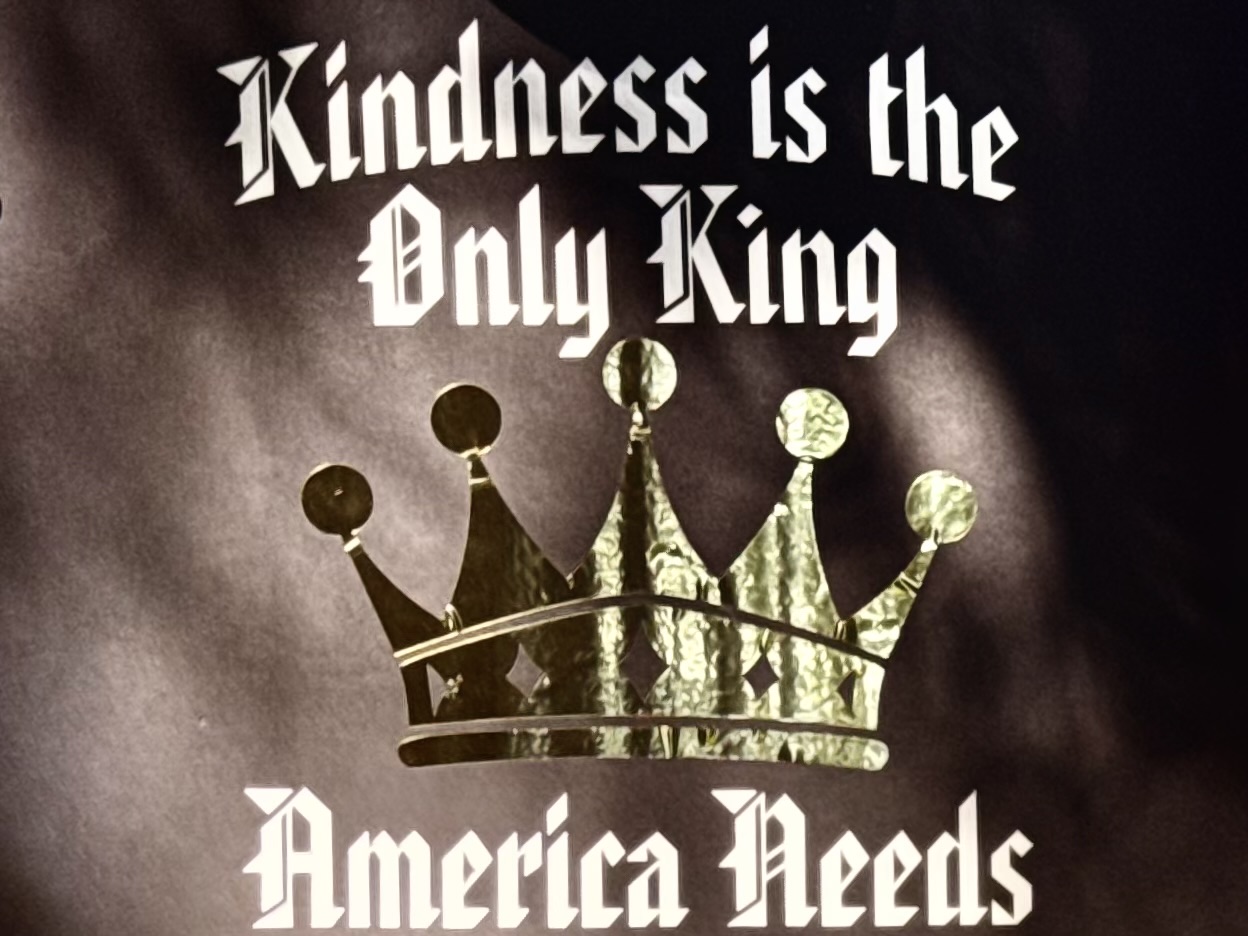
               This, my dear, is the greatest
                       challenge
                to being alive:
       to witness injustice in the world
                   and not allow it
                               to consume
                          our light.

                                              ~Thich Nhat Hanh~

