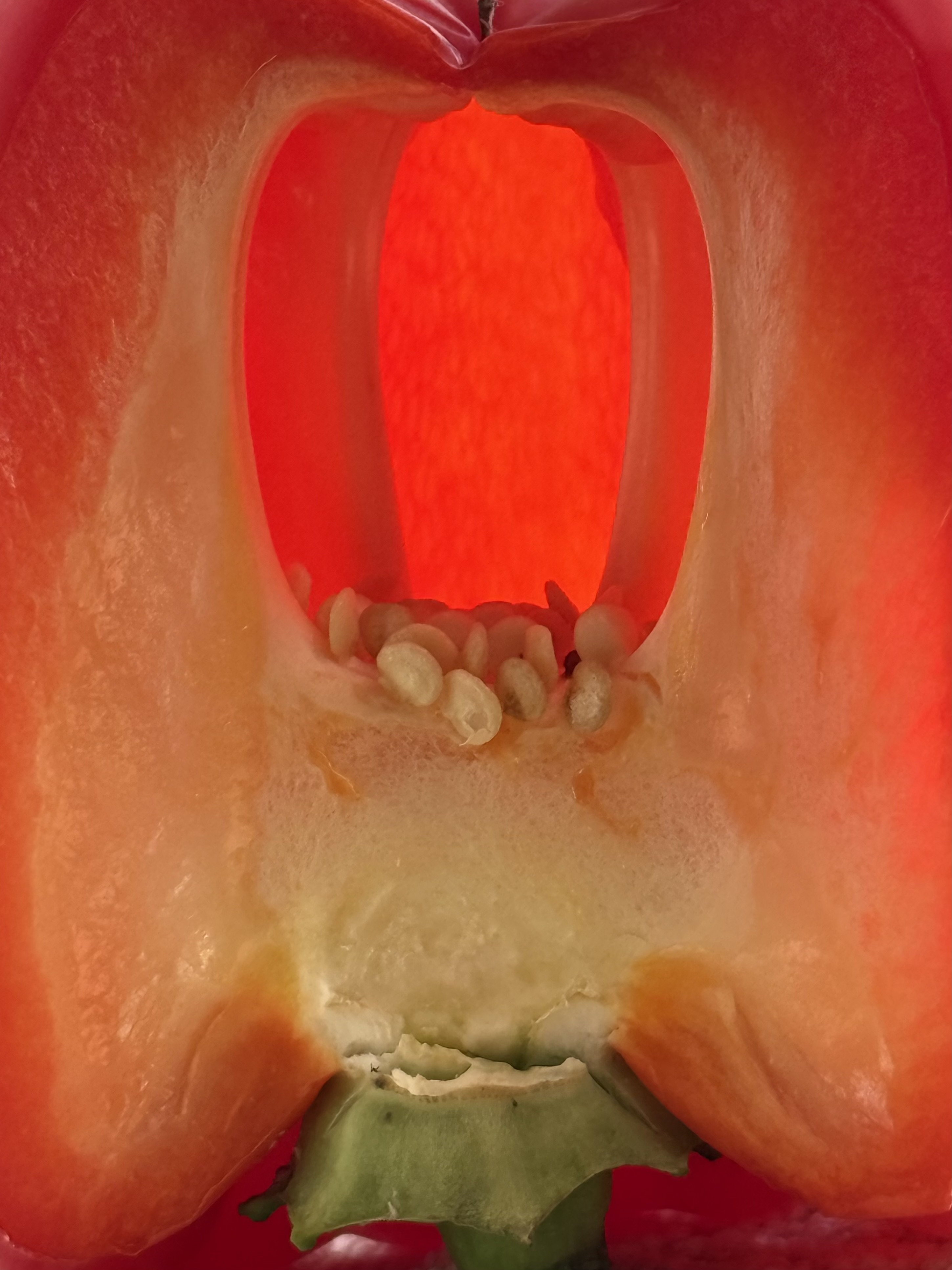
Simultaneity

Poem & photo by Elizabeth
SIMULTANEITY


When you touch me—I am
breath rather than a woman breathing.
One thousand wings, a single beat,
split sky with summer rain.

Breath rather than breathing
fills the empty glass.
Split sky with summer rain
reveals horses carved in stone.

Fill the empty glass
with wine of roses, lilac, heather;
reveal horses carved in stone
but not hands that formed their symmetry.

With wine of roses, lilac, heather,
toast grass that fractures concrete blocks
but not hands that formed the symmetry
of streets concealing streams.

Toast grass that fractures concrete blocks
beside the woman reaching toward you;
on streets concealing streams
she begs for food, shelter beyond grasp.

There is a woman reaching toward you;
her face is old, possessions few,
as she begs for food, shelter beyond grasp,
and I see you, I see myself within her mask.

Her face is old, possessions few;
she came to laugh—she came to love,
and I see you, I see myself within her mask
reflecting how the earth breathes.

We came to laugh—we came to love;
one thousand wings, a single beat
reflecting how the earth breathes
when you touch me.


Thank you to the editors at Scribendi for first publishing this poem.

Forewarned

photo by Elizabeth
They are a heartless nation, that is certain. They have made some of their people servants — yes, slaves! 

We have never believed in keeping slaves, but it seems that the white people do! It is our belief that they painted their servants black a long time ago, to tell them from the rest — and now the slaves have children born to them of the same color!

The greatest object of their lives seems to be to acquire possessions — to be rich. They desire to possess the whole world. For thirty years they tried to entice us to sell our land to them. Finally, their soldiers took it by force, and we have been driven away from our beautiful country.


-Ohiyesa's uncle, Santee Sioux

Ohiyesa

Living on the Streets

Poem & photos by Elizabeth
LIVING ON THE STREETS

I never chose to be here
Amid concrete and cheap booze—
I’d sooner die but bodies carry on for years.

I hear the wailing ricochet of children
Held within this hell of rolling veins.
No, they never, never chose to be here.

Limbs stiffened from cold sidewalks trap me 
As pustules grow and lice feed on my skin—
I’d sooner die but bodies carry on for years.

Violence is not televised on streets; instead, it jeers at battered
Skulls and broken bones—we’re easy prey for kids.
No, I never chose to be here.

Whiskey holds back cold and memories that leer of oboe played
Amidst the smoke, thighs wrapping mine through dawn.	
Now, I’d sooner die but bodies carry on for years.

With deafened ears and eyes averted, you comment on 
My stench as you dart into the restaurant;
I never chose to be here—
I’d sooner die but bodies carry on for years. 

Thank you to the editors of Mediphors: A Literary Journal of the Health Professions for first publishing this poem.

If Not For Silence

Poem & photo by Elizabeth

IF NOT FOR SILENCE

In their mad Sufi dance words whirl off tongues

loose as hot snakes as we struggle to speak with rudiments—

mostly we quarrel, walk away, but sometimes manage

to weave them like a lovers’ embrace beneath that open-voweled moon,

which vacillates between  the startled suck of air through pursed lips

and a night so long that, shy, she slips beyond the sun’s unerring watch.

Words electrify nerves till air feels like a panther lapping our luminous skin,

but it is silence that exposes our fiery hearts to serpentine tongues,

silence that would strip our marrow if not for the pulsing muteness

of flesh kneading flesh, of snakes and stars and moon-shackled seas.

Thank you to the editors of HOT FLASHES 2 for first publishing this poem.

To Think

photo by Elizabeth
A person doesn't need to go to college to learn facts.
He can get them from books.
The value of a liberal arts college education is that
it trains the mind to think. That's something you

can't learn from textbooks.
If a person (has the) ability,

a college education helps develop it.

Albert Einstein
(from "Einstein: His Life and Times" by Philipp Frank)

Disconnected

photo by Elizabeth

Oxfam‘s January 14, 2024 report, Inequality Inc., explores the disparity between the uber-wealthy and the rest of society.

Since 2020, five billion people have become poorer, while the world’s five richest men have more than doubled their fortunes—at a rate of $14 million per hour.