
You want to fly,
you got to give up
the thing that
weighs you
down.

Toni Morrison
Poems, Prose, Photos & the Art of Being Human
You want to fly, you got to give up the thing that weighs you down. Toni Morrison
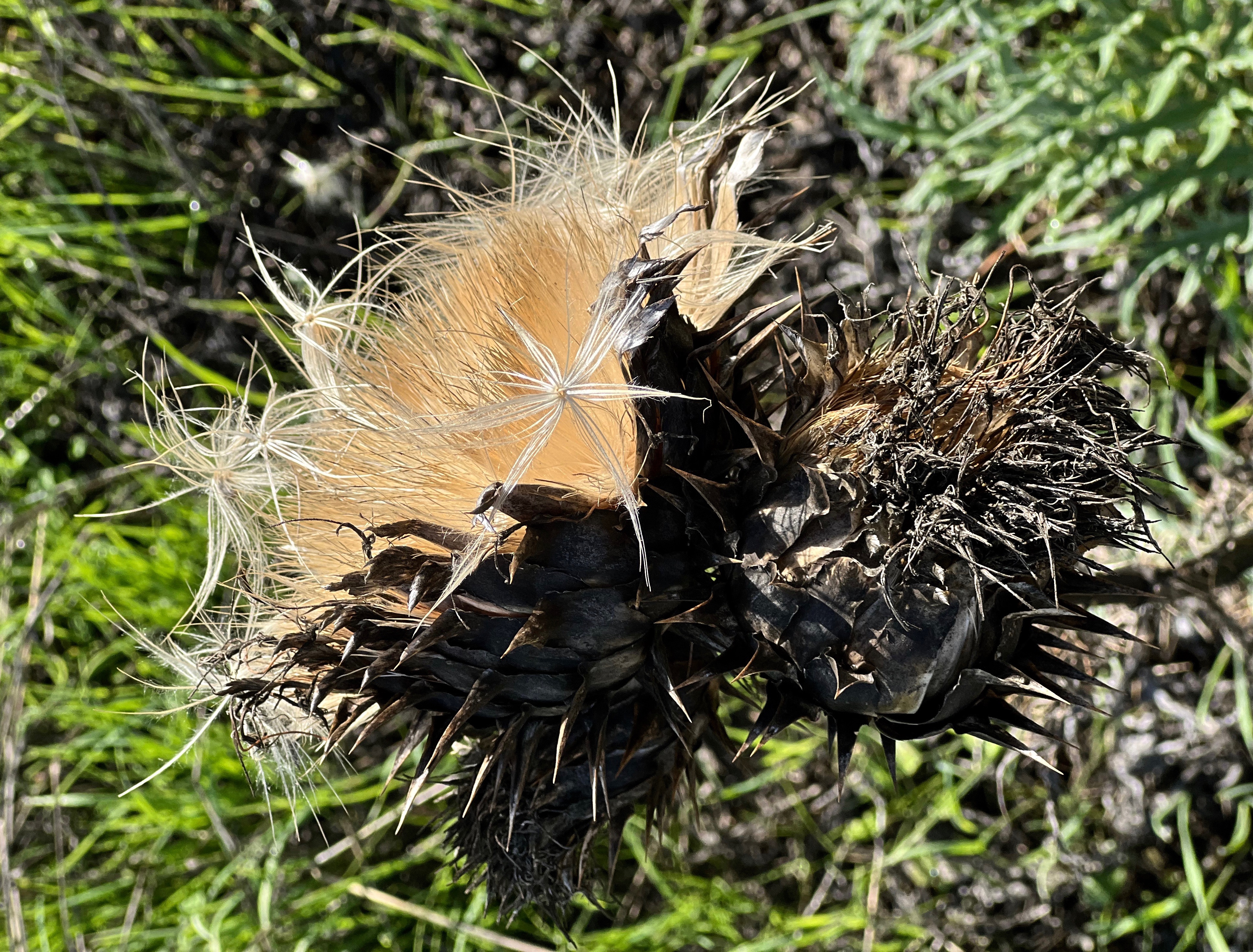
The future enters us in order to transform us long before it happens.

LAST DAYS OF WINTER

War settles like dust for there is no other side
when winds blow particles from Sudan to
Hiroshima to icy rivers that wild coho
struggle against to lay their bright eggs.


On the first day of the first war declared in this century
the Asian Art Museum opens its doors with stilt-walkers
dressed as emperors and geishas, and with musicians
from Vietnam, Korea, Afghanistan, for music and art
transcend transient politics and borders. Even
the museum’s map of Asia’s Buddhist centers
proclaims Tibet’s sovereignty within China’s
yawning border. Across the street a demonstration
swells before City Hall to protest a war
veiled in an amalgam of virtue, misinformation
and covert interests.


Something ghostlike transforms this city.
While most stores close, in others clerks
focus like compulsive-obsessives just
to get through the day and homeless
walk the streets as if San Francisco’s
sole inhabitants. One woman, hair
plaited with a plethora of mismatched
ribbons mirroring her clothes, crosses
against red. She zigzags mostly between
the yellow lines while drivers remain
uncharacteristically patient as if
acknowledging the difficulty of accepting
war without dissolving in a despair that
threatens one’s ever-transient
connection with life.


Within these museum’s walls images of Buddha,
Bodhisattvas, White Tara embody prayers for all
sentient beings and symbolize compassion,
wisdom, the acceptance of suffering, as well as
our ability to skillfully control rather than be
controlled by our mad-wraith desires.
It’s no longer a matter of us versus them,
good versus evil. We are all messengers of God
and we are all godless. Energy is neither created
nor destroyed. All those who have lived and
don’t yet live share our bodies through the food
we eat, the air we breathe, the cells that ferociously
regenerate throughout our lives. Prayer wheels
fill these halls with unbound intent that passes
through the walls, the streets, the world: may all
beings be healthy, may all beings be happy,
may all beings live in peace.
Thank you to the editors of Buddhist Poetry Review for first publishing this poem.
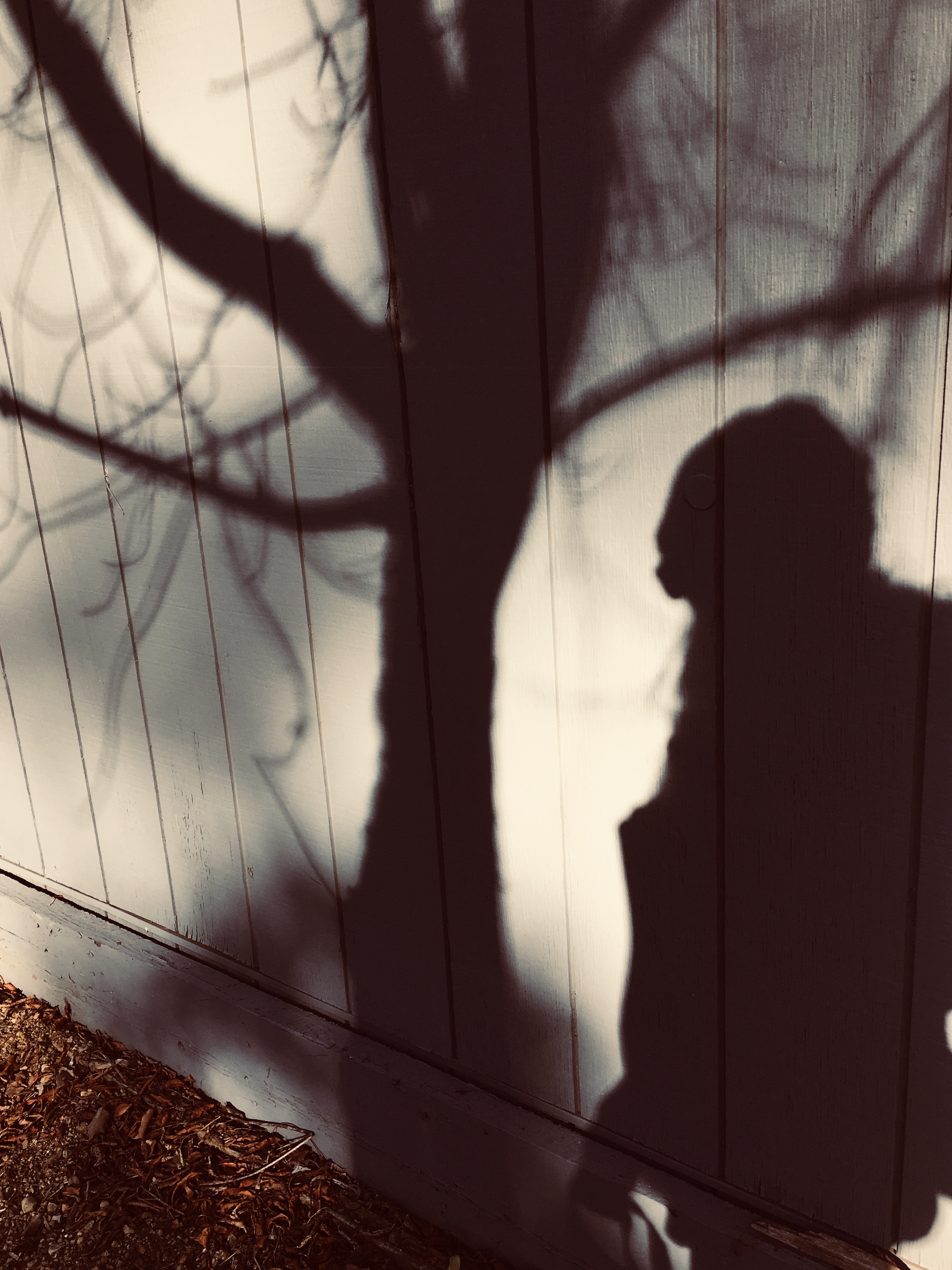
If your compassion does not include yourself, it is incomplete.
Jack Kornfield

“Rarely, if ever, are any of us healed in isolation. Healing is an act of communion.”
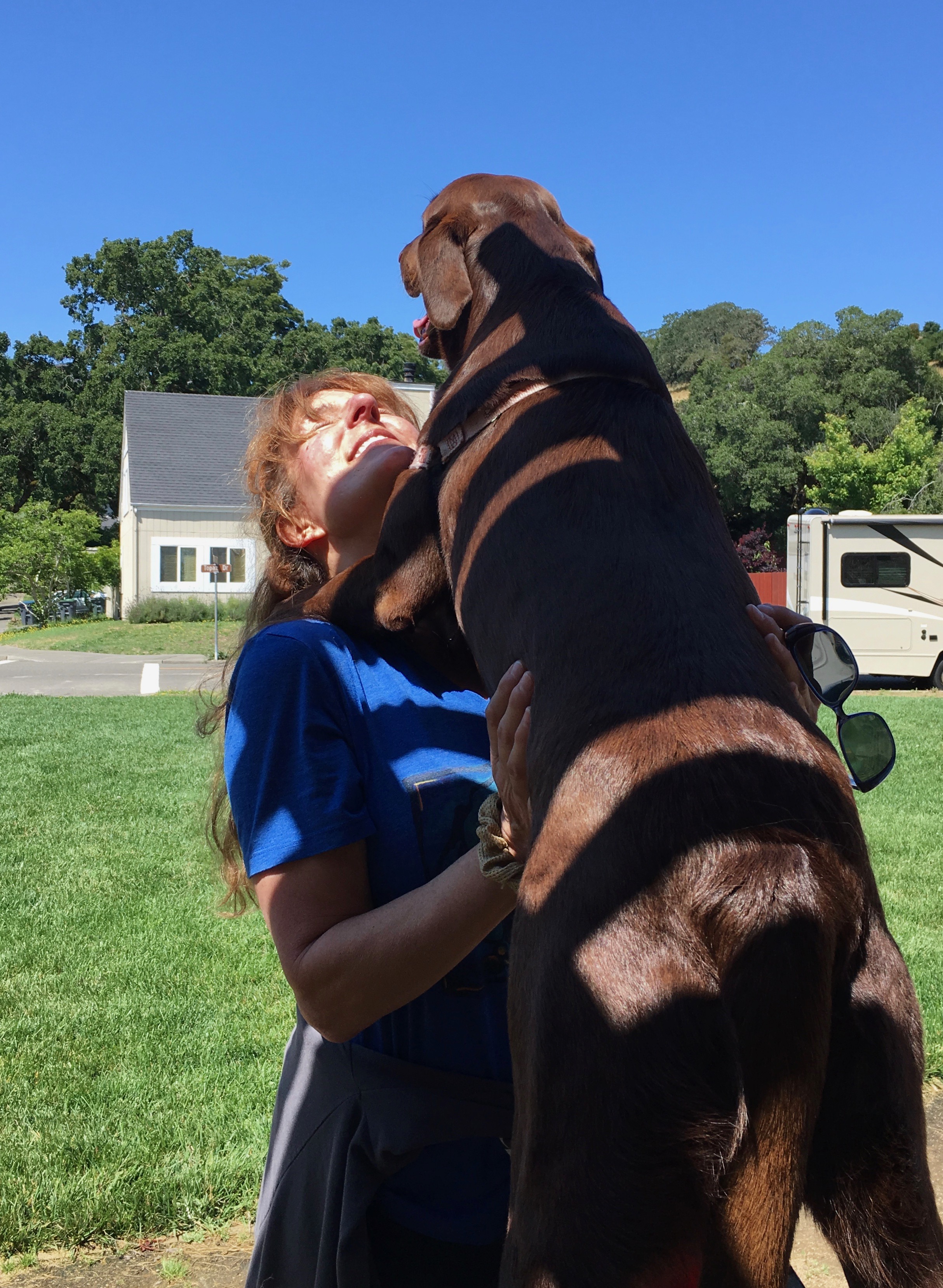
When an 85 lb. mammal licks your tears away, then tries to sit on your lap, it’s hard to feel sad.
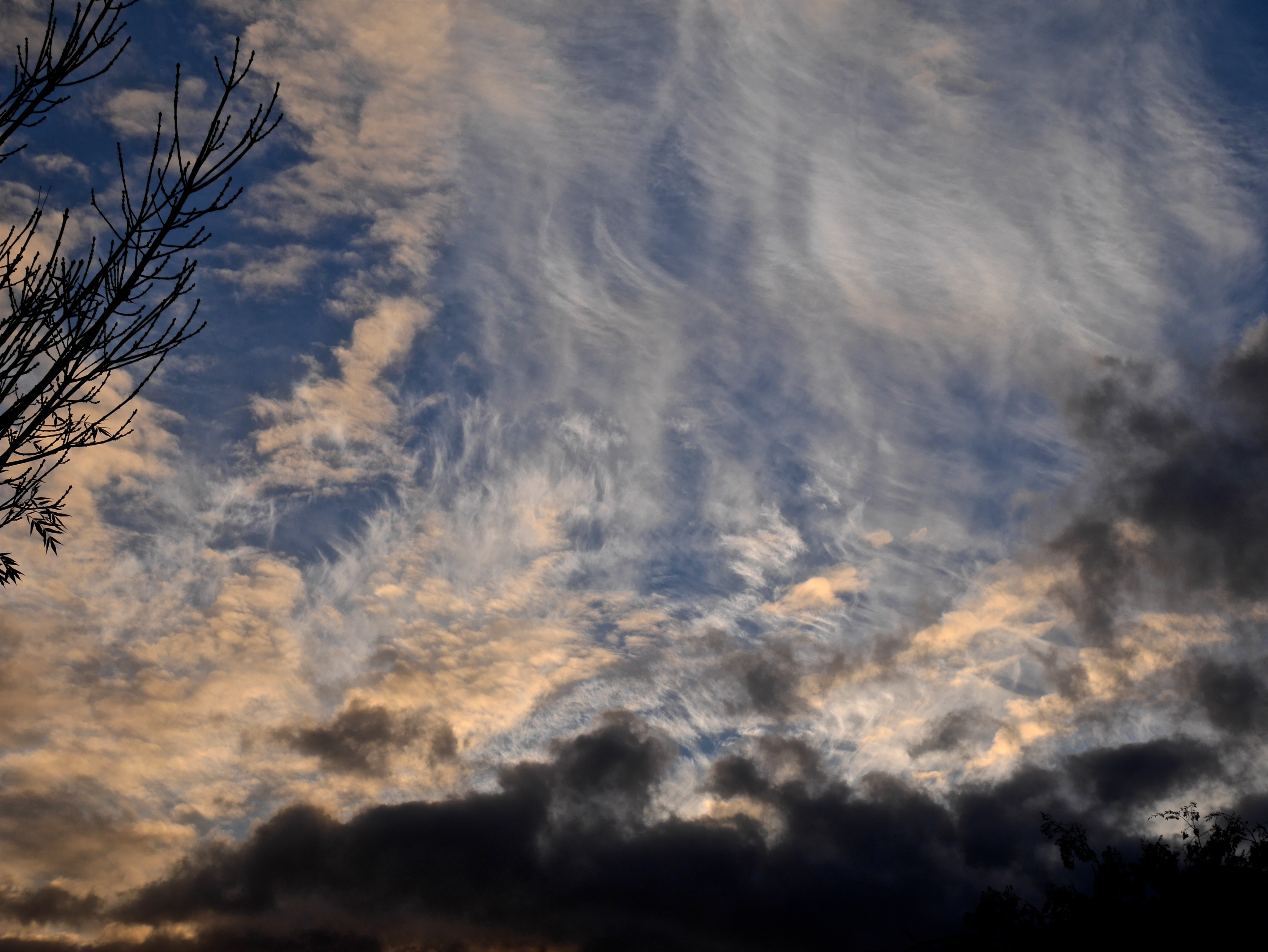
The writer should never be ashamed of staring. There is nothing that does not require his attention.

Flannery O'Connor
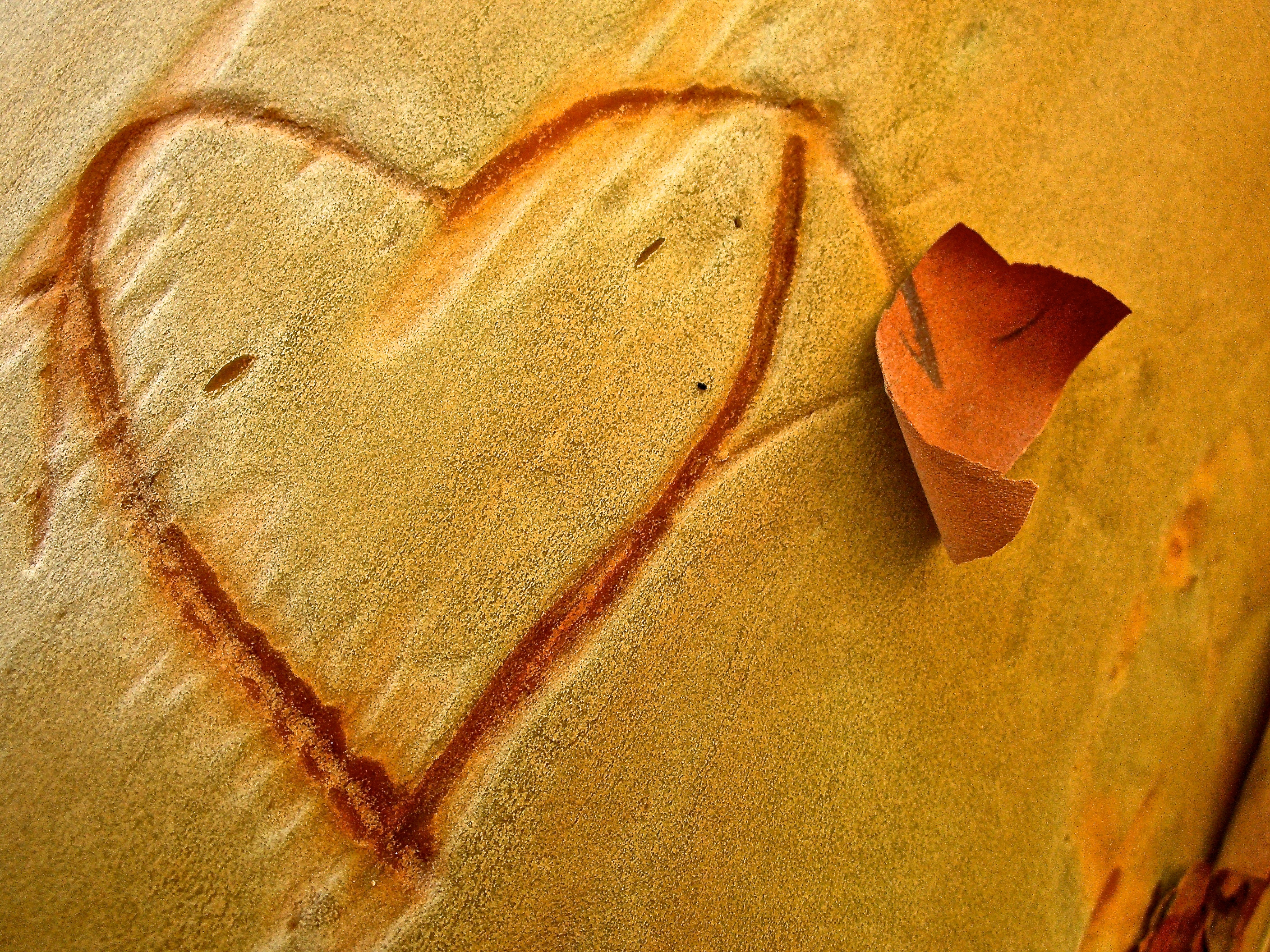
BENEATH IT ALL
Love’s a hitchhiker,
so innocent in its leap
that it doesn’t register
torn seats or sunroofs
but simply hears
Come on in
and feels that smile
like a warm winter breeze,
but relationships
are rarely so simple:
the car must be washed
repaired, replaced
and trips planned
and changed with the
frequency of newborns’
diapers amidst increasing
conflict till compromise
shatters
like a windshield at eighty
against the centennial oak
but love, love’s not so
complicated—once stripped
of metal and fuel it
shimmers naked, senses
open to sky and skunk,
blizzards and vistas,
and is never
blind but radiant as a star
and enigmatic as a body
after the heart’s
final
beat.
Thank you to the editors of The Tishman Review for first publishing this poem.
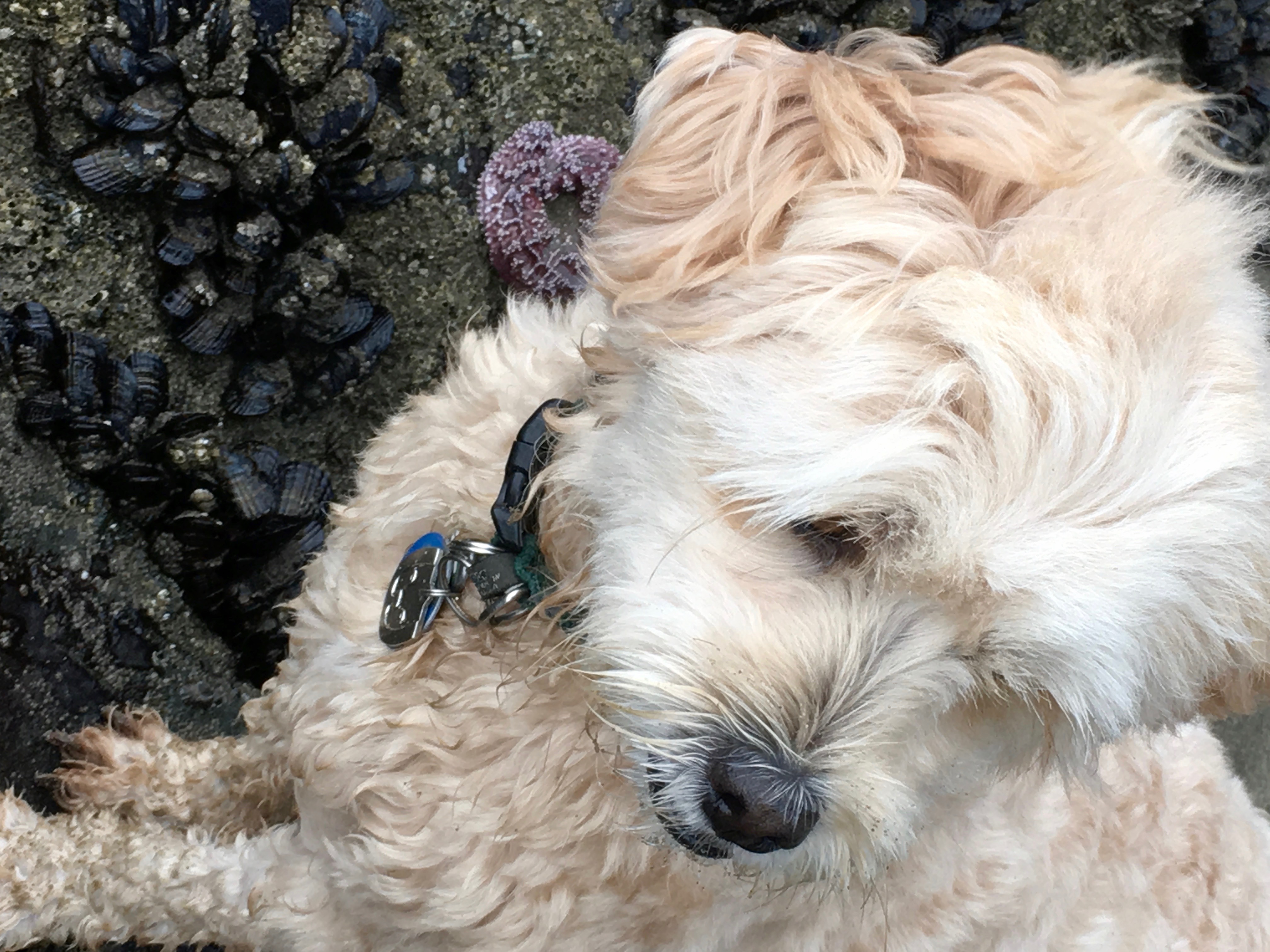
Is there a more mysterious idea for the artist than to imagine the way nature is reflected in an animal’s eye. How does a horse see the world? Or an eagle? Or a deer or a dog? What a miserable convention that leads us to place animals in a landscape that pertains to our eyes rather than plunging ourselves into the animal’s soul in an attempt to understand his vision of things.


THE TIME IS ALWAYS RIGHT TO DO WHAT IS RIGHT.
 Elizabeth Oakley Weaver